.png)
Brackenridge Private residential Estate
Plettenberg bay, south africa

FLORA
Our estate is home to a rich tapestry of indigenous plant life, especially from the beloved fynbos biome. You’ll find species from:
-
Proteaceae – iconic Proteas
-
Ericaceae – delicate Ericas
-
Iridaceae – vibrant Irises
-
Orchidaceae – elegant Orchids
-
Fabaceae – cheerful Peas … and many more.


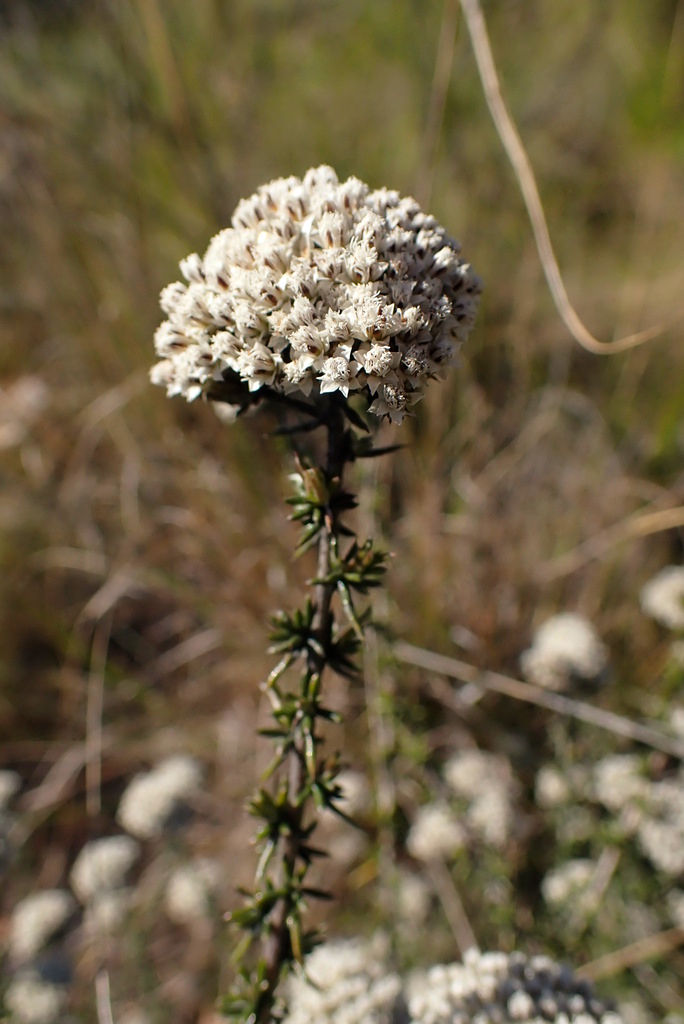

Fynbos species bloom at different times throughout the year, ensuring there’s always something beautiful to discover. Winter and Spring bring especially dazzling displays of colour, perfect for nature walks, photography, or simply enjoying from your garden.


Our forest patches are equally exquisite, offering a serene escape into nature’s quiet majesty. These areas are home to an impressive array of indigenous trees, understory shrubs, and delicate ferns that together create a lush, almost other-worldly atmosphere. As you wander along the forest trails, take a moment to pause and admire these gentle giants of the plant kingdom, their presence is both grounding and awe-inspiring.
For orchid enthusiasts, October and November are prime months to spot these captivating plants in bloom. Their intricate forms and subtle colours add a touch of magic to the forest floor, rewarding those who walk slowly and look closely.


FAUNA
We are privileged to share our estate with a vibrant array of wildlife, from birds and mammals to reptiles and insects. Brackenridge truly buzzes with life and every creature plays a vital role in maintaining the health and balance of our natural surroundings.
Take, for example:
-
Moles, quietly aerating the soil to improve drainage and root health
-
Earthworms, working as decomposers to enrich the soil
-
Pollinating insects, ensuring the survival of our fynbos and garden plants
These small but mighty contributors help sustain the ecosystem that surrounds our homes and trails.
BIRDS
To date, 96 bird species have been recorded on the estate, a testament to the richness of our local habitat. Of the six bird species endemic to the fynbos biome, four occur in our region, and three have been spotted right here at Brackenridge:
-
Cape Sugarbird
-
Orange-breasted Sunbird
-
Victorin’s Warbler
These sightings are a source of pride and wonder, especially for birdwatchers and nature lovers. Keep your binoculars handy, there’s always something beautiful in the trees.


Birds bring joy, movement, and song to our gardens and homeowners are warmly encouraged to support them by placing bird feeders in their outdoor spaces. A simple mix of seeds, fresh fruits, or sugar water can attract a delightful variety of species, enriching your garden with colour and life.
A few gentle reminders to keep our feathered friends safe:
-
Avoid preservatives — keep all offerings natural and fresh
-
No colourants in sugar water — red dyes are harmful and unnecessary
-
Sunbirds don’t need red liquid — they’re drawn by the feeder’s shape and placement, not the colour of the mixture
Creating a bird-friendly garden is a small act with a big impact, supporting biodiversity and offering daily moments of wonder.

BABOONS
Baboons — Clever Visitors
The Chacma baboon is a curious and highly intelligent creature, often topping the list as an opportunistic mastermind when it comes to finding food. While baboons are not commonly seen on the estate, they do occasionally make their way over the fence.
If you encounter a baboon on your property or inside your home:
-
Do not corner them; always leave a clear path to the door so they can exit safely
-
Stay calm and avoid confrontation; baboons are more likely to retreat if they don’t feel threatened
Please also check your windows and burglar bars. If they’re not baboon-proof, these clever animals may find a way in, often sending younger members of the troop to scout for food. Keeping windows closed and food out of sight is a simple but effective way to discourage visits.

BUSH PIGS
Bushpigs — Respectful Coexistence
Brackenridge is home to a few bushpig families that occasionally wander from the greenbelt into private gardens in search of food. While these nocturnal foragers are fascinating to observe, we understand that not everyone wants them rooting around their flower beds.
If you’d prefer to admire them from a distance, here are some natural deterrents that may help:
Bushpig-deterring plants:
-
Lavender
-
Mint
-
Marigold
-
Rosemary
-
Basil
-
Geraniums
These aromatic plants can help discourage visits thanks to the bushpig’s sensitive snout. You can also spray a homemade mixture of hot peppers and water around your property boundary—strong smells are often enough to keep them at bay.
Bin safety tips:
-
Keep bins securely closed and inaccessible
-
Place bins out on the morning of collection, not the night before
-
Avoid leaving food scraps or strong-smelling waste exposed
Bushpigs are clever and persistent when it comes to food, so a few simple precautions can go a long way in keeping your garden peaceful and mess-free.
DOWNLOAD OUR BROCHURES ON OUR TREES & BIRDS

